Understand Vital Tree Care Methods for Optimal Tree Care
Knowing how to care for trees is vital for ensuring ecological wellness. Key practices like pruning and mulching are extremely important in promoting tree vitality. Additionally, correct irrigation methods are crucial for root establishment. Yet, many people overlook the indicators of tree illness and the need for expert assistance. Looking into these areas can foster a greater respect for how to maintain trees. What measures can be adopted to help their trees grow strong?
Recognizing Why Tree Health Matters
Recognizing the value of healthy trees is vital, as trees are instrumental in maintaining ecological balance and improving city settings. Healthy trees contribute to the quality of the air, give shelter, and provide refuge for nature. Trees also assist in reducing climate change by absorbing CO2, proving their necessity for environmental sustainability.
In urban settings, properly cared-for trees improve aesthetics, raise the value of homes, and support public welfare. Trees help diminish heat island effects in cities, resulting in reduced utility bills.
Ignoring tree maintenance, conversely, can result in disease, pest infestations, and unstable limbs, creating dangers to the trees and nearby structures alike. Consequently, recognizing the indicators of tree health, such as leaf coloration, its development rate, and the state of the bark, is vital for effective management. In conclusion, promoting tree health supports not only private yards but also the broader ecosystem, emphasizing the need for forward-thinking attention and management practices.
Key Methods for Pruning
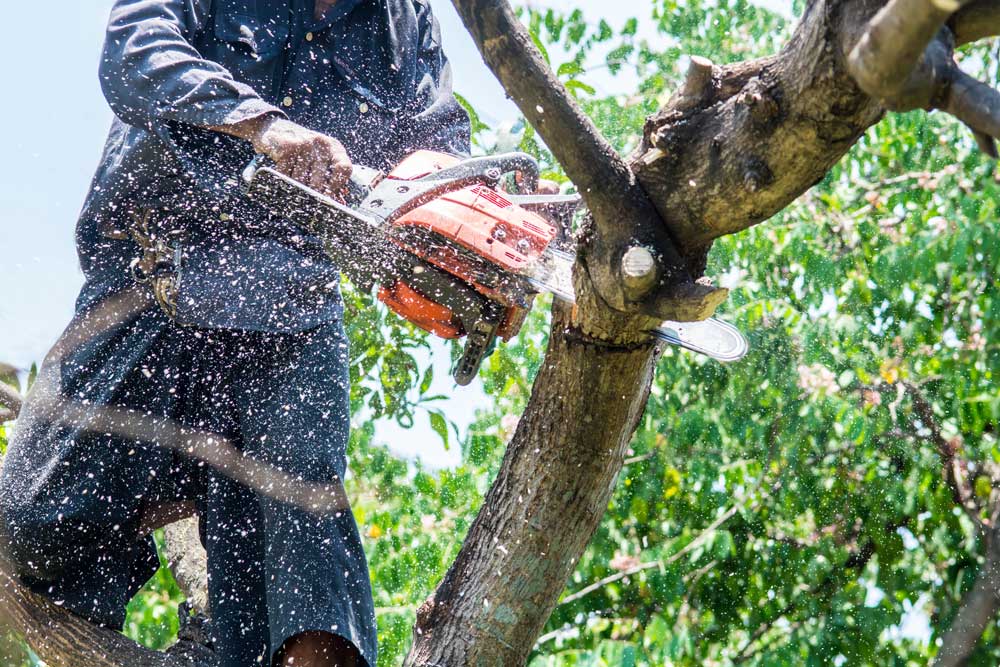
Cutting branches is a vital method in tree care that promotes strong growth and vitality, as it takes away unhealthy branches and boosts ventilation within the canopy. Employing proper techniques ensures the trees can thrive in their environment.
An essential practice is "thinning," which requires careful branch removal to improve sunlight exposure and lessen the load on fragile branches. 'Tip pruning' are another method, where the ends of branches are snipped to stimulate lateral branching, particularly for young trees. In addition, the process of 'crown reduction' decreases the size and reach of a tree while maintaining its natural shape.
Timing is essential; cutting during the inactive period lessens the impact and ensures faster recovery. Tools should be sharp and clean to minimize harm and disease transmission. Grasping these critical pruning practices is vital for every arborist aiming to maintain healthy and visually appealing trees.
Recognizing Typical Tree Ailments
How can tree owners recognize the signs of common diseases that put their trees at risk? Knowing the particular signs is essential for early detection and action. Typical signs involve leaves that are yellowing or drooping, possibly indicating a fungus or nutrient deficiencies. Abnormal formations, such as galls or cankers, can signal the presence of pests or pathogens that weaken the tree. Furthermore, bark shedding or sticky sap might suggest an infection that need prompt care.
Arborists should look for alterations in the tree's form, like premature leaf shedding or dead branches, which might indicate a serious problem beneath the surface. Monitoring for signs of insect infestations, such as holes in the bark or frass, is just as critical. By staying watchful and taking action, they can recognize these typical illnesses and seek appropriate remedies, making sure their trees stay strong and lively throughout the seasons.
How Mulching Helps Trees
Mulching is a key technique in tree care, providing many advantages which encourage strong development and resilience. It involves applying a layer of specific material types at the tree's base, helping to keep the soil damp, keeping weeds down, and stabilizing soil warmth. The mulch covering not only reduces competition from invasive plants but also boosts the visual appeal of the landscape.
In addition, materials like wood chips, such as wood chips or bark, decompose over time, providing essential nourishment and bettering its texture. This natural breakdown helps roots establish and promotes a better habitat for the tree. In addition, applying mulch helps stop the erosion of soil, thereby stabilizing of the tree’s root system. When applied correctly mulch needs to be arranged in a donut shape, making sure it doesn't touch with the trunk to avoid rotting. In summary, incorporating mulching into tree care routines significantly aids to the long-term health of trees.
Optimal Watering Methods for Trees
Effective tree care requires not only mulching but also proper watering practices to ensure optimal growth and health. Trees, particularly newly planted ones, demand regular water to establish strong root systems. Deep hydration is crucial, as it encourages roots to grow downwards where moisture is more stable. Preferably, trees need roughly one inch of water per week, be it from precipitation or supplemental irrigation.
Watering should be done early in the morning to reduce evaporation and fungal diseases. It is important to avoid overwatering, which can lead to root rot and further problems. One must check the soil for moisture before watering; when the top two inches feel dry, then watering is necessary. Furthermore, utilizing drip irrigation or drip irrigation can provide a slow, steady supply of water, making sure trees get enough water without the risk of runoff. Correct watering methods are essential contributors to the total vitality of trees.
Retaining Specialized Tree Care: When and Why
In evaluating the health and aesthetics of a property, retaining specialized arborists may prove essential for homeowners with complicated tree maintenance requirements. Expert tree specialists have the expertise to determine tree vitality, identify diseases, and implement effective treatments. Arborists are also aware of local regulations for removing trees and maintenance, guaranteeing compliance and sidestepping fines
(Stillwater Tree Service)It is wise for homeowners to engage professionals when dealing with large trees, specifically trees near homes or power lines, as incorrect care can lead to dangers. In addition, trees requiring pruning for aesthetic or health reasons benefit from the skills of trained specialists who can make accurate cuts to stimulate new growth
Routine seasonal work, such as pre-storm readiness and clearing debris, also warrant professional intervention to ensure site security and appearance. In the end, hiring certified arborists makes certain trees get the best attention, contributing positively to the property's aesthetics and home valuation
Commonly Asked Questions
What Are the Signs if My Tree Is Drowning?
Signs of overwatering in trees include foliage turning yellow, wilting despite moist soil, root rot, and premature shedding of leaves. In addition, the appearance of mushrooms near the trunk's bottom can signal poor drainage and saturated soil.
What Is the Best Time of Year for Tree Pruning?
The ideal season for trimming is usually between late winter and the start of spring before the onset of new foliage - Stillwater Tree Service. Pruning at this time encourages healthy growth and lessens the impact on the plant, enabling rapid wound closure and further growth
Can Trees Recover From Severe Storm Damage?
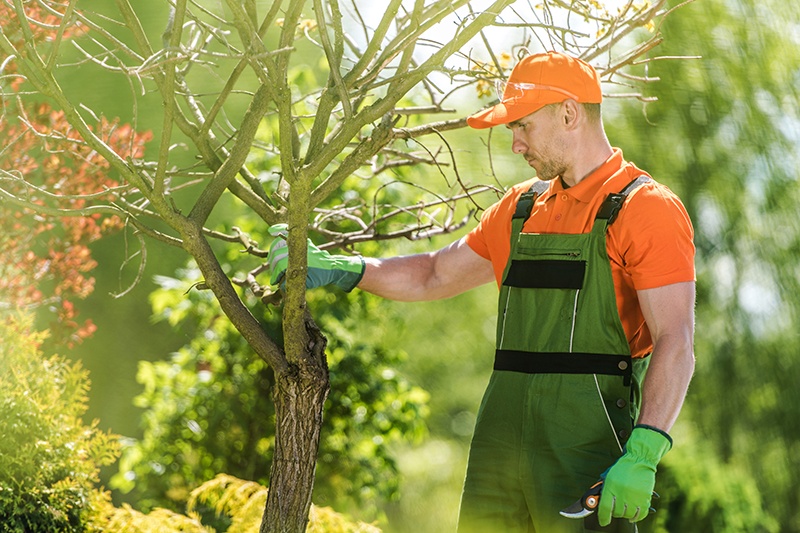
It is possible for trees to bounce back after severe weather. If maintained correctly, such as pruning damaged limbs and providing adequate water and nutrients, many trees can regain their health and continue to thrive after experiencing significant stress.
What Should I Look For When Choosing the Right Mulch for My Trees?
When selecting appropriate mulch, it is best to use organic options such as shredded bark or wood chips, ensure a layer 2 to 4 inches deep, and keep mulch away from the tree collar to minimize fungal issues.
Do Certain Tree Species Need More Attention Than Others?
Specific varieties, like young trees and fruit-bearing plants, demand more care because they react strongly to environmental shifts and specific nutrient needs. Frequent checking and specific upkeep discover this methods are essential for their health and development.